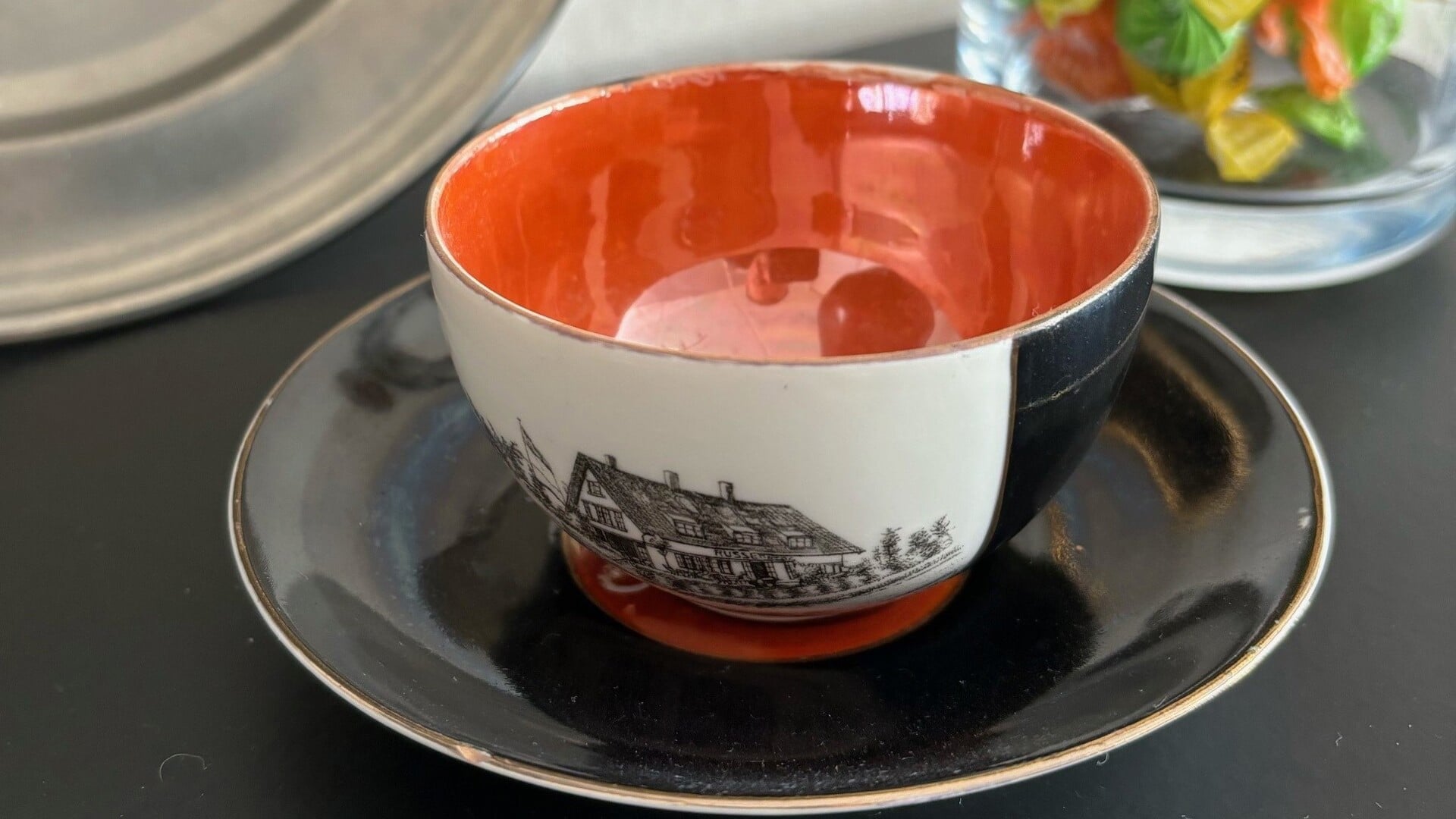
The Enduring Legend of Piet van 't Witte Hoes: A Rijssen Legacy Unveiled
In the heart of Rijssen, a charming town in the Netherlands, stands an establishment whose name has transcended mere bricks and mortar, becoming synonymous with the man who breathed life into it: 't Witte Hoes. While officially known by its distinctive "White House" moniker, for generations of locals and visitors alike, it has always been, and continues to be, "Piet van 't Witte Hoes." This enduring nickname is a testament to the profound impact of Piet van de Woude, a visionary restaurateur whose dedication and personality etched an indelible mark on Rijssen's cultural and culinary landscape. The story of 't Witte Hoes is one of entrepreneurial spirit, community connection, and the powerful legacy a single individual can forge. It’s a tale that speaks volumes about the charm of Dutch hospitality and the lasting power of a truly personal touch in business.
The Genesis of a Rijssen Icon: 't Witte Hoes and Its Visionary Founder
The origins of 't Witte Hoes are as fascinating as its enduring nickname. It was in 1933 that this distinctive white building took shape on Markeloseweg, not merely as a commercial venture but as a testament to a unique patronage. The construction was commissioned by Freule van Sas, a woman of Russian origin and considerable vision, who had recently arrived in Rijssen. The local lore, partly documented by historian Hein Roosink, suggests that Freule van Sas (often referred to as a "barones" who had previously resided at the now-burned-down 't Hilletje in Kootwijk) brought Piet van de Woude to Rijssen with a specific purpose: to establish and run a premier dining establishment.
This act of patronage highlights an intriguing aspect of early 20th-century entrepreneurship, where individuals of means invested in talent, recognizing the potential for a new venture to enrich a community. Freule van Sas saw in Piet van de Woude not just a chef or a manager, but a personality capable of transforming a building into a beloved institution. Her foresight in building 't Witte Hoes specifically "for him" laid the groundwork for a deeply personal connection between the establishment and its future host. The decision to invest in such a venture in 1933, amidst the backdrop of global economic uncertainty, speaks to both Freule van Sas's confidence and Piet van de Woude's undeniable capabilities. This remarkable foundation ensured that from its very inception, 't Witte Hoes was destined to be more than just a restaurant; it was a home for hospitality, carefully crafted for the man who would define it. For a deeper dive into its founding, explore
Freule van Sas and the 1933 Founding of Rijssen's 't Witte Hoes.
Piet van de Woude: The Man Behind the Legendary Name "Piet van 't Witte Hoes"
When 't Witte Hoes opened its doors, it was under the capable stewardship of Piet van de Woude and his wife, Ida. Together, they embarked on a journey that would cement their names in Rijssen's history. Piet, with his distinct charm, dedication to service, and perhaps a knack for exceptional cuisine, quickly became the heart and soul of the establishment. It was through his tireless efforts and Ida's supportive partnership that 't Witte Hoes blossomed into a cherished local landmark. The restaurant wasn't just a place to eat; it was a destination where guests felt welcomed, valued, and part of an extended family.
The incredible phenomenon of the restaurant becoming colloquially known as
Piet van 't Witte Hoes speaks volumes about the power of personal branding, long before the term was even coined. It signifies that Piet's personality, his commitment to quality, and the unique experience he provided were so integral to the establishment that his name became inseparable from its identity. Patrons didn't just go to 't Witte Hoes; they went "to Piet's," trusting in his consistent standards and warm hospitality. This personal connection fostered immense loyalty and cemented the restaurant's reputation.
For aspiring restaurateurs and business owners, the story of
Piet van 't Witte Hoes offers invaluable lessons. It demonstrates that while a beautiful building and a good concept are crucial, the human element—the face behind the brand—can be the most powerful differentiator. Piet and Ida created an atmosphere that felt personal, attentive, and consistently excellent, qualities that customers remembered and cherished. Their legacy is a reminder that genuine care and a strong personal presence can elevate a business from merely good to truly legendary. To understand the depth of this connection, read more about
Piet van 't Witte Hoes: The True Story Behind the Rijssen Name.
A Shifting Landscape: 't Witte Hoes Through the Decades
The golden era of
Piet van 't Witte Hoes under its original proprietors lasted for over four decades. In 1976, after 43 years of dedicated service, Piet and Ida van de Woude decided to sell their beloved business. The new owners were the Sanderman family, Derk and Jo, who undoubtedly faced the monumental task of stepping into the shoes of such iconic figures. However, the transition proved challenging. Perhaps it was the sheer weight of the legacy, or perhaps the unique magic that Piet and Ida had woven was simply inimitable. Whatever the reason, Derk and Jo Sanderman decided to sell 't Witte Hoes themselves after less than a year.
This rapid change in ownership immediately after Piet and Ida's departure underscores the profound impact of their personal involvement. It highlights how intrinsically linked the business was to its original operators. While the building and its facilities remained, the essence that customers had come to associate with "Piet van 't Witte Hoes" was undoubtedly different. This period serves as a fascinating case study in business succession, demonstrating that some legacies are so deeply personal that they are incredibly difficult to transfer seamlessly.
Despite the ownership changes that followed, the nickname "Piet van 't Witte Hoes" stubbornly persisted within the community, a testament to the indelible mark Piet had left. Over the years, 't Witte Hoes continued its journey, evolving to meet changing demands and market trends. Today, while its function may have broadened or shifted (it is notably also listed as a group accommodation and meeting venue), the historical memory of Piet van de Woude remains firmly attached to the location. The establishment stands as a living testament to the ebb and flow of business history, and how some names simply refuse to fade into obscurity.
Preserving Local Heritage: The Role of Historians and Community
The story of
Piet van 't Witte Hoes and 't Witte Hoes itself would not be as richly preserved without the dedication of local historians and community initiatives. Figures like Hein Roosink (1929 – 2012), a prolific writer whose works included numerous business reports and historical accounts of Rijssen, played a crucial role. Roosink's "bedrijvenboek" (companies book) from 2007 contained over 55 business reports, including a chapter on Hotel Rijsserberg, which also provided insights into the origins of 't Witte Hoes. His meticulous documentation ensured that personal anecdotes and factual details, such as the barones who brought Piet to Rijssen, were recorded for future generations.
The recent transfer of Roosink's extensive book archive by his son, Jan, to the Rijssens Museum is a prime example of how local institutions act as custodians of history. Museums are not just repositories of artifacts; they are vital centers for preserving the narratives that define a community's identity. They ensure that stories like Piet van de Woude's, and the significant role of establishments like 't Witte Hoes, are not lost to time but remain accessible for research, education, and public appreciation.
For any community, actively engaging in the preservation of its local heritage is paramount. Here are a few practical tips:
- Support Local Historians: Encourage and support individuals dedicated to researching and documenting local stories. Their work forms the backbone of community memory.
- Utilize Local Archives and Museums: Contribute materials (photos, documents, oral histories) and visit these institutions to learn about your town's past.
- Document Oral Histories: Interview older residents about their memories of local businesses, events, and personalities. These personal accounts provide invaluable color and context.
- Create Community Platforms: Online forums or local history groups can facilitate the sharing of information and memories, ensuring broader participation in heritage preservation.
By valuing and actively preserving these narratives, communities ensure that the spirit of their past, embodied by figures like Piet van de Woude, continues to inspire and inform their future.
Conclusion: The Unforgettable Legacy of Piet van de Woude
The narrative of 't Witte Hoes is far more than just the history of a building; it is a vibrant testament to the power of personality, dedication, and community connection. The enduring nickname,
Piet van 't Witte Hoes, is a rare and powerful example of how an individual's impact can transcend official titles and business transfers, becoming deeply woven into the fabric of local identity. Piet van de Woude, with his wife Ida and the visionary support of Freule van Sas, built not just a restaurant but a cherished institution that defined an era of hospitality in Rijssen.
His legacy reminds us that while locations change and ownership shifts, the spirit instilled by remarkable individuals can create an imprint that lasts for generations. 't Witte Hoes, whether as a restaurant, accommodation, or meeting venue, continues to stand as a beacon of this rich history. It is a place where the echo of Piet's welcoming presence can still be felt, a timeless symbol of Rijssen's heritage, and a powerful reminder that true excellence often comes with a personal touch that is truly unforgettable.