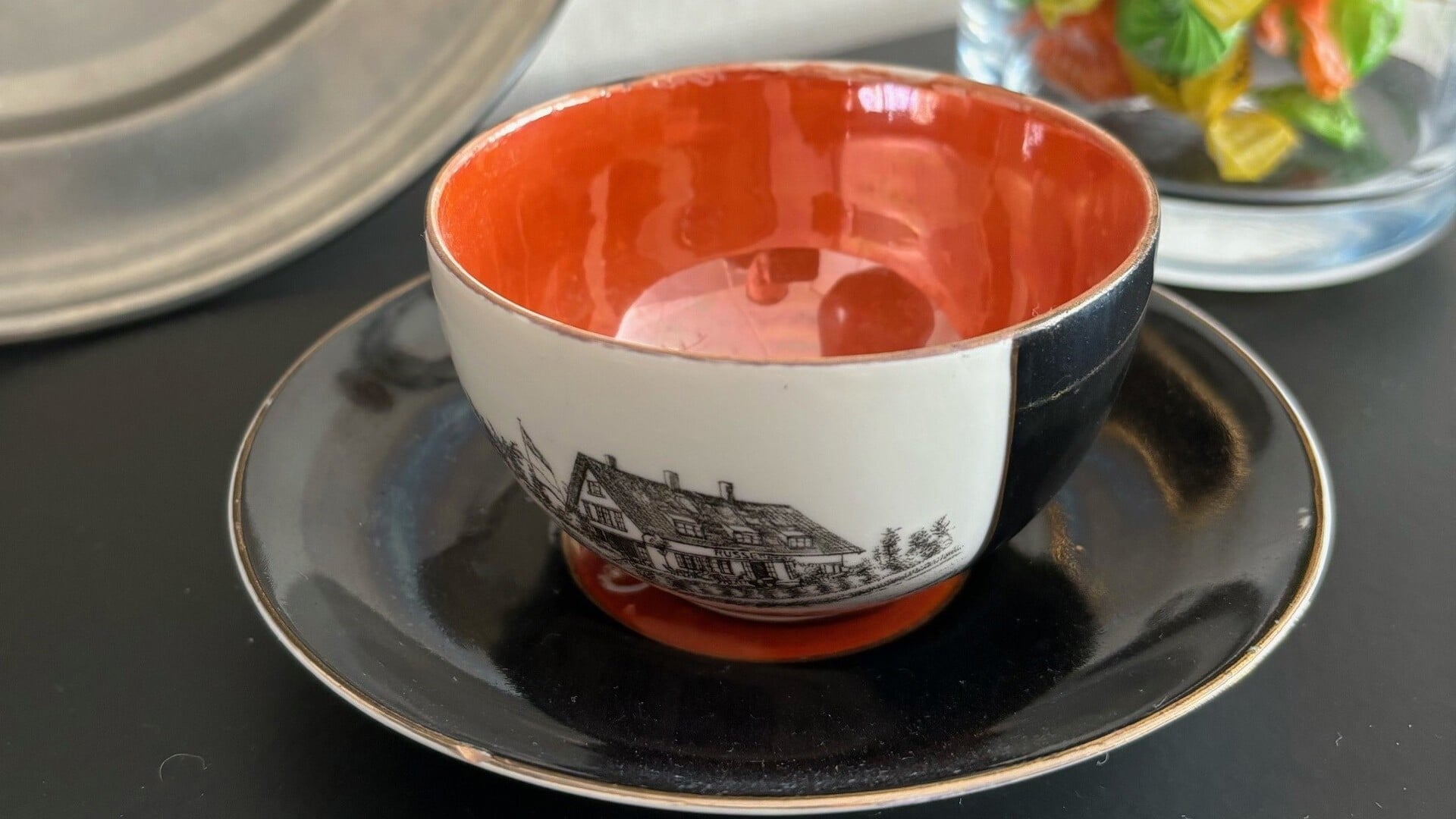
Piet van 't Witte Hoes: The True Story Behind the Enduring Rijssen Name
In the picturesque town of Rijssen, Netherlands, certain names resonate through generations, carrying with them tales of local entrepreneurship, fascinating personalities, and historical significance. One such name, deeply embedded in the town's cultural fabric, is
Piet van 't Witte Hoes. For many unfamiliar with Rijssen's rich past, this moniker might sound like a local legend or a character from folklore. However, behind this distinctive name lies a compelling true story, intricately linked to the birth and early days of one of Rijssen's most iconic establishments, 't Witte Hoes. Understanding this narrative not only illuminates the origins of a beloved local landmark but also offers a glimpse into the vibrant social and business landscape of a bygone era.
The essence of the story revolves around a visionary noblewoman, a dedicated entrepreneur, and a building that has stood the test of time, evolving from a specific commission into a cherished community fixture. Our journey into this history is greatly aided by the meticulous work of local historians like Hein Roosink, whose invaluable contributions preserved these tales for posterity. As we delve into the details, we uncover the fascinating circumstances that led to the creation of 't Witte Hoes and, crucially, how its initial proprietor's name became synonymous with the place itself, giving rise to the enduring legend of
Piet van 't Witte Hoes.
Unraveling the Legend: Who was Piet van 't Witte Hoes?
The name
Piet van 't Witte Hoes isn't just a label; it's a testament to the strong personal connection between an individual and a place that defined him. To understand its genesis, we must first introduce Piet van de Woude. Piet wasn't merely an employee or a manager; he was the inaugural operator and the heart behind 't Witte Hoes, the very establishment that gave him his legendary suffix. The name "van 't Witte Hoes" literally translates to "from the White House," signifying his inextricable link to the building.
The story truly begins with an extraordinary patron: Freule van Sas. This noblewoman, of Russian descent, played a pivotal role in bringing Piet van de Woude to Rijssen. Having experienced the tragic loss of her own establishment, 't Hilletje in Kootwijk, to a fire, she eventually relocated to Rijssen. It was here, in 1933, that she commissioned the construction of 't Witte Hoes on the Markeloseweg specifically for Piet van de Woude to manage and operate. This act of patronage highlights a unique relationship, where the Freule recognized Piet's capabilities and invested in his future, laying the groundwork for a business that would become a household name.
For the people of Rijssen, the establishment quickly became known not just as 't Witte Hoes, but as "Piet van 't Witte Hoes" – a shorthand that encapsulated both the place and the personality at its helm. This natural adoption by the community speaks volumes about Piet's character and his impact on his patrons. He and his wife, Ida van de Woude, poured their efforts into making the restaurant a welcoming and popular spot, cementing the reputation that would last for decades. This direct lineage from the initial commission by Freule van Sas to Piet van de Woude's stewardship is the fundamental key to understanding the origins of this distinct Rijssen identity.
The Visionary Behind the Walls: Freule van Sas and the Birth of 't Witte Hoes
The tale of 't Witte Hoes, and by extension,
Piet van 't Witte Hoes, is incomplete without a deeper look into the remarkable figure of Freule van Sas. This Russian-born noblewoman was not just a benefactor but a visionary whose life circumstances led to the creation of a significant piece of Rijssen's heritage. Her journey to Rijssen was marked by an unfortunate event: the destruction of her previous establishment, 't Hilletje in Kootwijk, by fire. This forced relocation brought her to Rijssen, where her presence was even documented in photographs, such as one captured on the terrace of Hotel Rijsserberg, indicating her integration into the local social scene.
It was Freule van Sas's entrepreneurial spirit and perhaps a desire to recreate a new venture in her adopted town that led to the commissioning of 't Witte Hoes in 1933. The architectural design of the building, often referred to as 'the White House' due to its distinct appearance, was not just a random construction. It was a purposeful project, initiated with a specific individual in mind: Piet van de Woude. This bespoke creation underscores the Freule's foresight and her commitment to fostering local talent and enterprise. She envisioned a place that would serve the community, and she found the ideal person in Piet to bring that vision to life.
Her investment in 't Witte Hoes was more than just a real estate venture; it was an investment in a community hub, a place for gathering, dining, and social interaction during a period that was still recovering from economic downturns. The decision to build such an establishment during the early 1930s, a time of global economic uncertainty, highlights her considerable resources and unwavering determination. The foresight of Freule van Sas not only laid the physical foundation for the building but also set the stage for the human story that would unfold within its walls, eternally linking her name, and the name of Piet van de Woude, with this cherished Rijssen landmark. To learn more about this foundational period, explore
Freule van Sas and the 1933 Founding of Rijssen's 't Witte Hoes.
Piet and Ida van de Woude: Crafting a Legacy in Rijssen
With 't Witte Hoes built by Freule van Sas, the stage was set for Piet van de Woude and his wife, Ida, to step into their roles as the first proprietors. Their dedication and hard work were instrumental in transforming the newly constructed building into a thriving business and a beloved community institution. It was through their tireless efforts that the establishment truly earned its local nickname, solidifying
Piet van 't Witte Hoes as a household phrase in Rijssen.
Running a restaurant or hotel in the 1930s and beyond presented its own set of unique challenges. From sourcing ingredients to managing staff, navigating economic fluctuations, and adapting to changing societal tastes, Piet and Ida would have faced numerous hurdles. Yet, they managed to cultivate a reputation for quality, hospitality, and a welcoming atmosphere that drew people from Rijssen and beyond. Their personal touch and consistent presence were likely key factors in the deep connection the community formed with the establishment. The fact that their names became synonymous with the place is a testament to their indelible impact and the quality of their service.
For over four decades, Piet and Ida van de Woude nurtured 't Witte Hoes. Their tenure spanned significant historical periods, from the pre-war years through World War II and into the post-war economic boom. Each era would have brought different demands and opportunities, and their ability to sustain and grow the business speaks volumes about their entrepreneurial spirit and resilience.
In 1976, after many years of devoted service, Piet and Ida van de Woude decided to sell their beloved business. The new owners were Derk and Jo Sanderman. However, their stewardship was short-lived; within less than a year, the Sandermans also decided to sell 't Witte Hoes. This swift change of ownership highlights the unique bond Piet and Ida had forged with the establishment, a bond that perhaps proved difficult for subsequent owners to immediately replicate. The enduring impact of Piet and Ida van de Woude on the identity of 't Witte Hoes and its place in Rijssen's memory is further explored in
The Legacy of Piet van de Woude: 't Witte Hoes Through the Years.
The Enduring Charm of 't Witte Hoes in Modern Rijssen
Even decades after Piet van de Woude's ownership, the name
Piet van 't Witte Hoes continues to echo through the streets and conversations of Rijssen. This enduring popularity is a powerful indicator of the lasting impression made by individuals and establishments that truly become woven into the fabric of a community. 't Witte Hoes itself has continued its journey, adapting to modern times while retaining its historical resonance, even serving today as a group accommodation and meeting venue.
What makes a place a local landmark, and how does a name become so deeply ingrained? It's a combination of factors: the consistent quality and hospitality provided by its operators, the personal connections fostered over years, and the invaluable role of local historians like Hein Roosink. Roosink, whose business book from 2007 diligently documented various Rijssen enterprises, including a chapter on Hotel Rijsserberg and the story of Freule van Sas and Piet van de Woude, ensured that these vital historical anecdotes were preserved. His meticulous work, now archived at the Rijssens Museum, provides a tangible link to the past, allowing new generations to appreciate the origins of local names and places.
For visitors to Rijssen, understanding the story behind
Piet van 't Witte Hoes offers a richer experience. It transforms a historical building from a mere structure into a living narrative, filled with the spirit of the people who shaped it.
Here are a few tips for those interested in Rijssen's local history:
*
Visit the Rijssens Museum: Delve into the archives of local historians like Hein Roosink to uncover more fascinating stories.
*
Explore 't Witte Hoes: If possible, visit the current 't Witte Hoes on Markeloseweg to connect with the physical space that inspired so much local history.
*
Engage with Locals: Often, the best historical insights come from conversations with long-time residents who carry these stories as part of their living memory.
*
Look for Historical Markers: Many towns place plaques or signs on significant buildings, offering quick historical facts.
The legacy of 't Witte Hoes, deeply intertwined with the name Piet van de Woude, serves as a poignant reminder that behind every historic building is a human story, often a saga of dedication, vision, and community spirit.
Conclusion
The story of
Piet van 't Witte Hoes is far more than just the naming of a restaurant; it’s a captivating narrative of entrepreneurship, patronage, and the enduring power of local identity in Rijssen. From Freule van Sas, the visionary noblewoman who commissioned 't Witte Hoes in 1933, to Piet and Ida van de Woude, who infused the establishment with character and charm for over four decades, each played a crucial role in forging this local legend. Their combined efforts transformed a building into a beloved institution, so much so that the proprietor's name became its most popular identifier. Thanks to the diligent work of local historians like Hein Roosink, this fascinating piece of Rijssen’s heritage continues to be celebrated, ensuring that the true story behind the name endures for future generations. 't Witte Hoes stands as a testament to the powerful connections between people, places, and the stories that bind a community together.